Home
/
Resources
/
Industry Insights
/
Global Granola Bars Market 2026–2035: The Rise of Functional Nutrition and Digital Retail
Global Granola Bars Market 2026–2035: The Rise of Functional Nutrition and Digital Retail
March 01, 2026
As global consumers increasingly shift toward convenient and nutritious snacking, the granola bar market is entering a new stage of steady expansion. Once viewed primarily as a niche breakfast or outdoor snack, granola bars are now becoming a mainstream daily food choice for health-conscious consumers around the world.
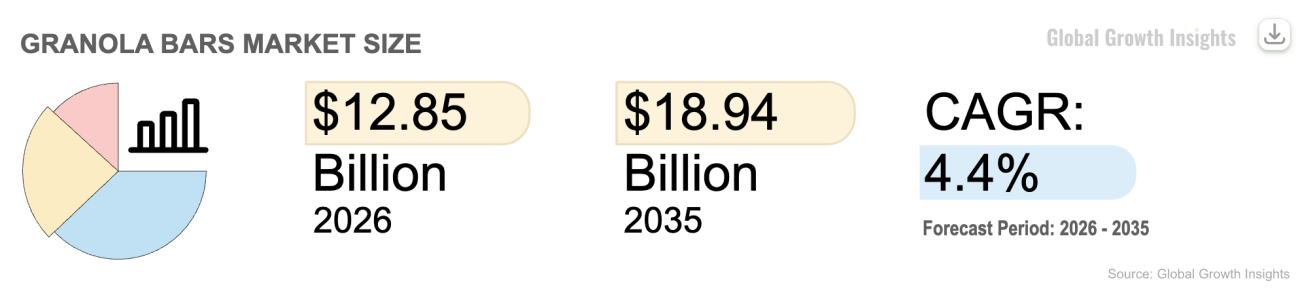
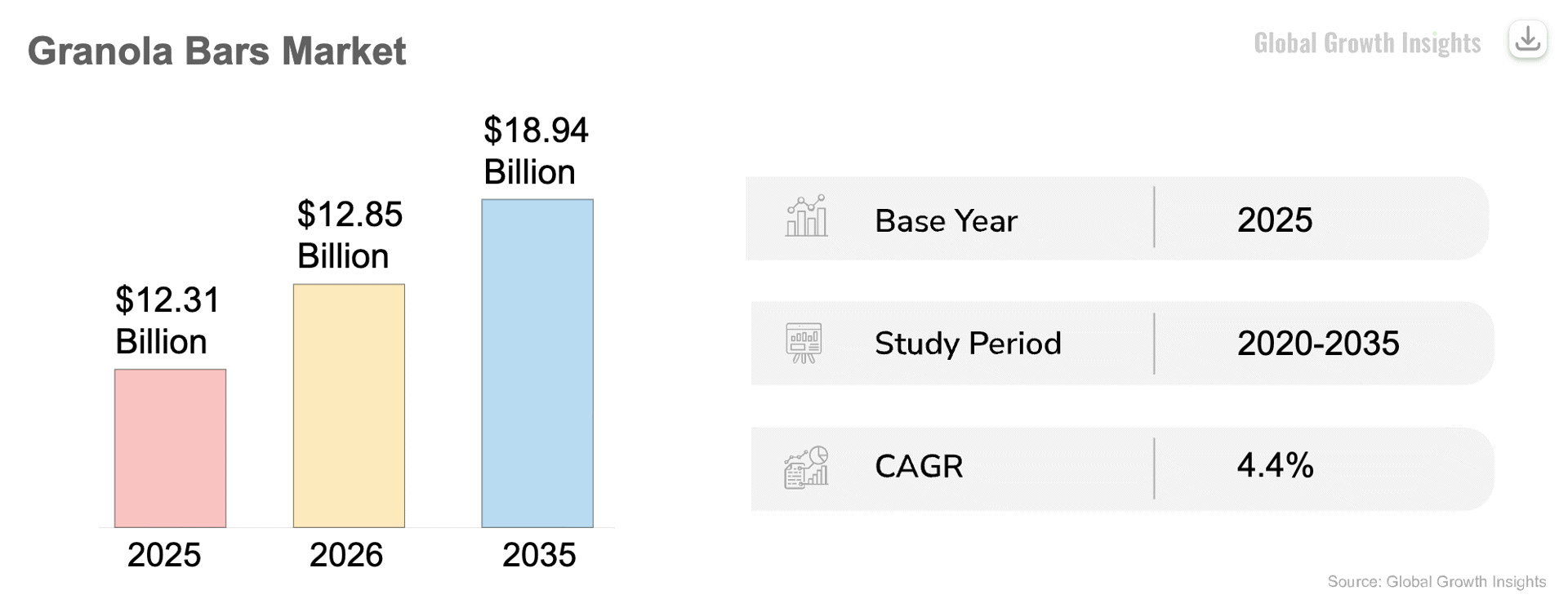
According to recent market insights from Global Growth Insights, the global granola bars market was valued at USD 12.31 billion in 2025 and is expected to reach USD 12.85 billion in 2026. Over the next decade, the market is projected to grow at a compound annual growth rate (CAGR) of approximately 4.4%, reaching nearly USD 18.94 billion by 2035.
Functional Nutrition Drives Product Innovation
While convenience remains a key factor, consumer expectations for snack bars are evolving rapidly. Increasingly, buyers are seeking products that provide functional health benefits in addition to energy and taste.
Market data indicates a significant rise in product development focused on high protein, dietary fiber, probiotics, and immunity-supporting ingredients, with functional formulations accounting for a growing share of new product launches. At the same time, the clean-label movement continues to shape consumer preferences, driving demand for organic ingredients, non-GMO formulations, and transparent sourcing practices.
Ancient grains and nutrient-dense ingredients such as chia seeds, quinoa, and whole oats are also gaining popularity, appealing to consumers who prefer minimally processed foods with recognizable ingredients.
Distribution Channels Continue to Evolve
Traditional retail channels remain dominant in the granola bar category. Supermarkets and hypermarkets account for roughly 51% of global sales, as many consumers still prefer to evaluate product labels and ingredient information in-store before purchasing.
At the same time, e-commerce channels are expanding rapidly, particularly in mature markets such as the United States. Online platforms now represent a growing share of purchases, supported by subscription-based health food services and direct-to-consumer (D2C) brand strategies.
Market Challenges and Industry Adaptation
Despite the positive outlook, manufacturers are navigating several challenges, including rising raw material costs and supply chain volatility. Industry reports indicate that ingredient costs have increased significantly in recent years, placing pressure on production and pricing strategies.
In response, many companies are investing in sustainable packaging innovation and supply chain optimization, while also simplifying product portfolios to maintain operational efficiency.
Regional Market Outlook
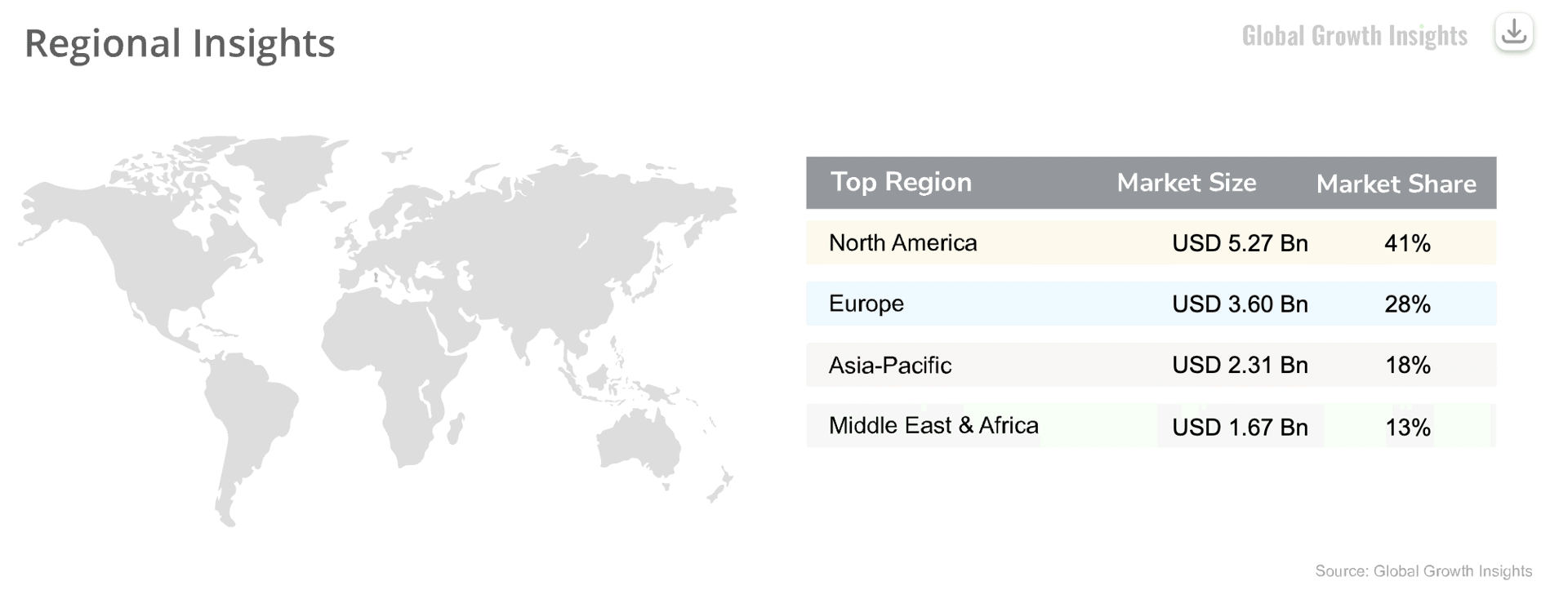
North America remains the largest regional market, accounting for nearly 38% of global revenue, supported by strong consumer awareness of healthy snacking and established cereal bar consumption habits.
Meanwhile, the Asia-Pacific region is expected to see the fastest growth, driven by rising health awareness, urbanization, and expanding middle-class consumer markets across China, India, and Southeast Asia.
Industry Outlook
As the global snack industry continues to evolve, granola bars are increasingly positioned at the intersection of convenience, nutrition, and lifestyle-driven consumption. For food brands and manufacturing partners, this trend presents significant opportunities for product innovation, functional ingredient development, and customized snack solutions designed for diverse global markets.

